Impact of Hidden Costs of Inflation on Small Businesses and Consumers
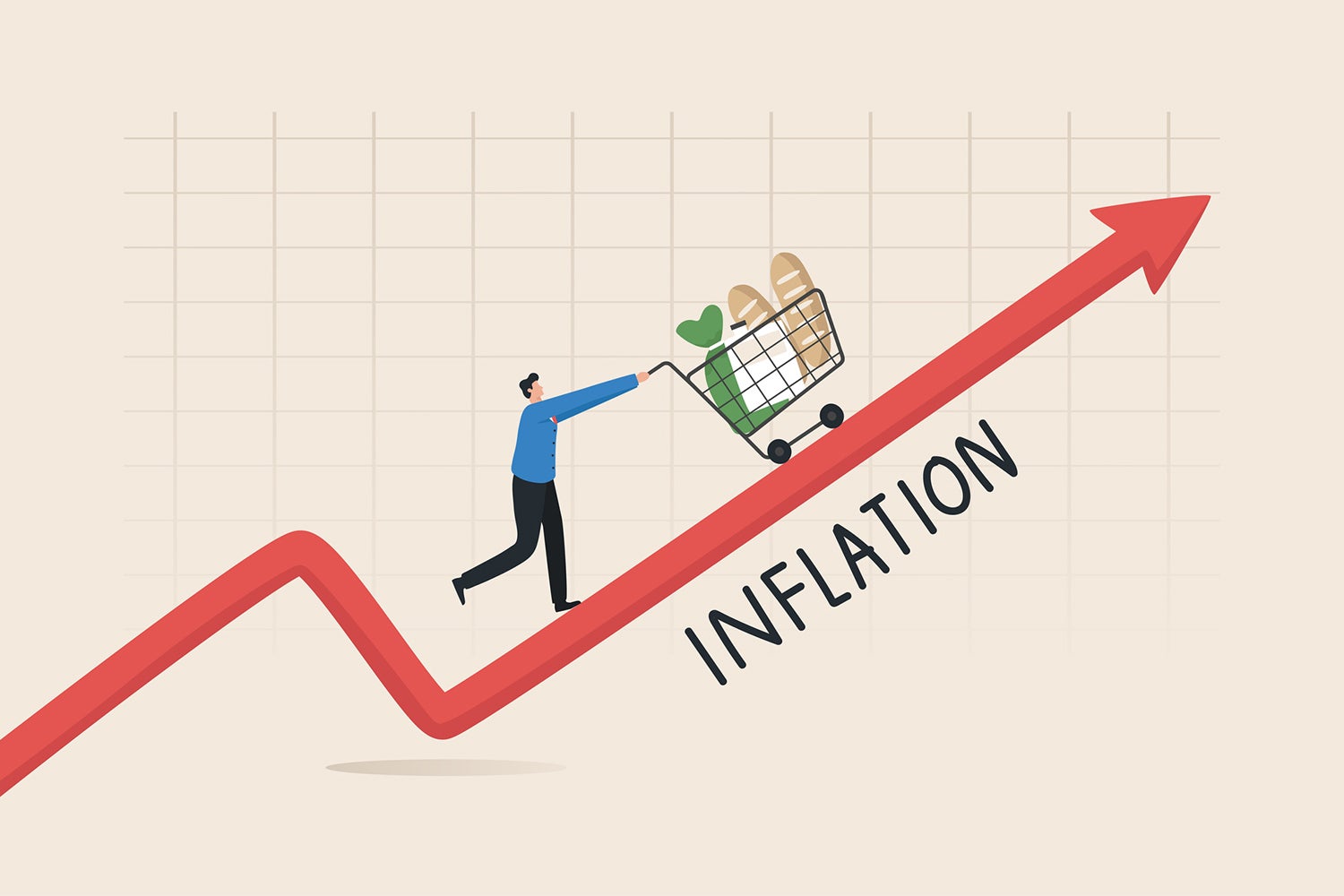
In an era where inflationary pressures are reshaping the economic landscape, understanding the nuanced effects on small businesses and consumers is more crucial than ever. While headline figures capture broad trends, the hidden costs of inflation—those not immediately apparent—can have profound, lasting impacts on our daily lives and livelihoods. This exploration delves into these concealed challenges, shedding light on the realities faced by businesses and individuals alike.
Before delving into the impacts, it's essential to understand what inflation is—a general increase in prices and fall in the purchasing value of money. But beyond this textbook definition, inflation affects various sectors of the economy in different ways, often with a domino effect that touches everyone from the largest corporations to individual consumers.
Small businesses, often hailed as the backbone of the economy, face unique vulnerabilities in inflationary times. These entities grapple with rising operational costs, squeezed profit margins, and the daunting task of strategic pricing—all while striving to remain competitive and viable.
Inflation makes capital more expensive and investment decisions more complex, eroding purchasing power. The Inquisitive Capitalist offers a compelling examination in "Formula One's Cost Cap: A Playing Field Still Far from Level." This piece illustrates the balancing act of managing costs while fostering innovation and competition, a tightrope walk familiar to many small businesses.
Day-to-day expenses, from utilities to supplies, climb in an inflationary environment. Businesses must adapt swiftly, finding efficiencies or risking obsolescence.
Inflation reshapes spending behaviors, influences financial planning, and can significantly alter the quality of life.
As prices rise, disposable income shrinks, forcing consumers to make difficult choices about their spending. The series on "Grocery Inflation" at The Inquisitive Capitalist vividly highlights how inflation in essential goods like groceries squeezes household budgets.
Exploring the complexities of grocery price inflation, insightful articles such as Grocery Inflation in Retrospect: Who Paid? Who Profited? and The Case for the Defence on Greedflation, hosted on The Inquisitive Capitalist, delve deep into the driving factors behind the rising costs of groceries and their widespread effects. These resources shed light on everything from supply chain intricacies to economic strategies, offering readers a comprehensive understanding of inflation's nuanced impact on everyday essentials.
The impact of inflation varies significantly across different sectors of the economy. Retail, manufacturing, and services each face unique challenges and respond in varied ways to inflationary pressures.
The nuances of inflation's effects are best understood through a sector-specific lens. For instance, manufacturing might contend with the rising costs of raw materials, while the service sector struggles with wage inflation.
The hidden costs of inflation extend far beyond the headlines, affecting the fabric of our economy and the lives of those within it. Small businesses and consumers alike must navigate these turbulent waters with insight, strategy, and adaptability.
Inflation's hidden costs are profound, impacting small businesses and consumers in myriad, often unseen ways. By understanding these impacts and adopting strategies for resilience, we can navigate the challenges of inflation more effectively. The Inquisitive Capitalist serves as a valuable resource for delving deeper into economic dynamics, offering insights and discussions on navigating the complexities of today's financial landscape. Together, we can build a more resilient economic future, prepared for the uncertainties of tomorrow.